Key Takeaways
DEAMcon26 Day 2 shifted from high-level vision to ground-level reality, delivering a stark warning on the rise of AI-enhanced candidate fraud and the legal dangers of “deliberate ignorance” in EEO compliance. Key takeaways highlighted the “AI sandwich” framework for responsible tech adoption, the significant retention ROI linked to disability inclusion communication, and a strategic move away from “post-and-pray” recruitment toward skills-based hiring and proactive military talent pipelines like SkillBridge. Between dissecting the False Claims Act and exploring the mentalism of probability, the day’s sessions reinforced a single truth: in an increasingly automated landscape, structured data, authentic culture, and proactive auditing are the only reliable safeguards against regulatory and operational risk.
The Excitement Continues on Day Two in the Circle City
If day one of DEAMcon26 set the table—25 years of institutional knowledge, a reshaped regulatory environment, and a keynote that challenged everyone in the room to do different things differently—day two was where the meal got served. Eleven sessions. Three powerhouse general sessions. One jaw-dropping keynote. A morning that opened with a fraud warning so specific it felt like a security briefing, and an afternoon that closed with a jobs data tool designed to make every HR professional in the country smarter and more informed. The texture of Thursday was urgent, practical, and at times, unexpectedly funny. The community that had gathered in Indianapolis was now in a rhythm, and the hallway conversations were starting to match the ones happening on stage.
The Fraud Briefing You Didn’t Know You Needed
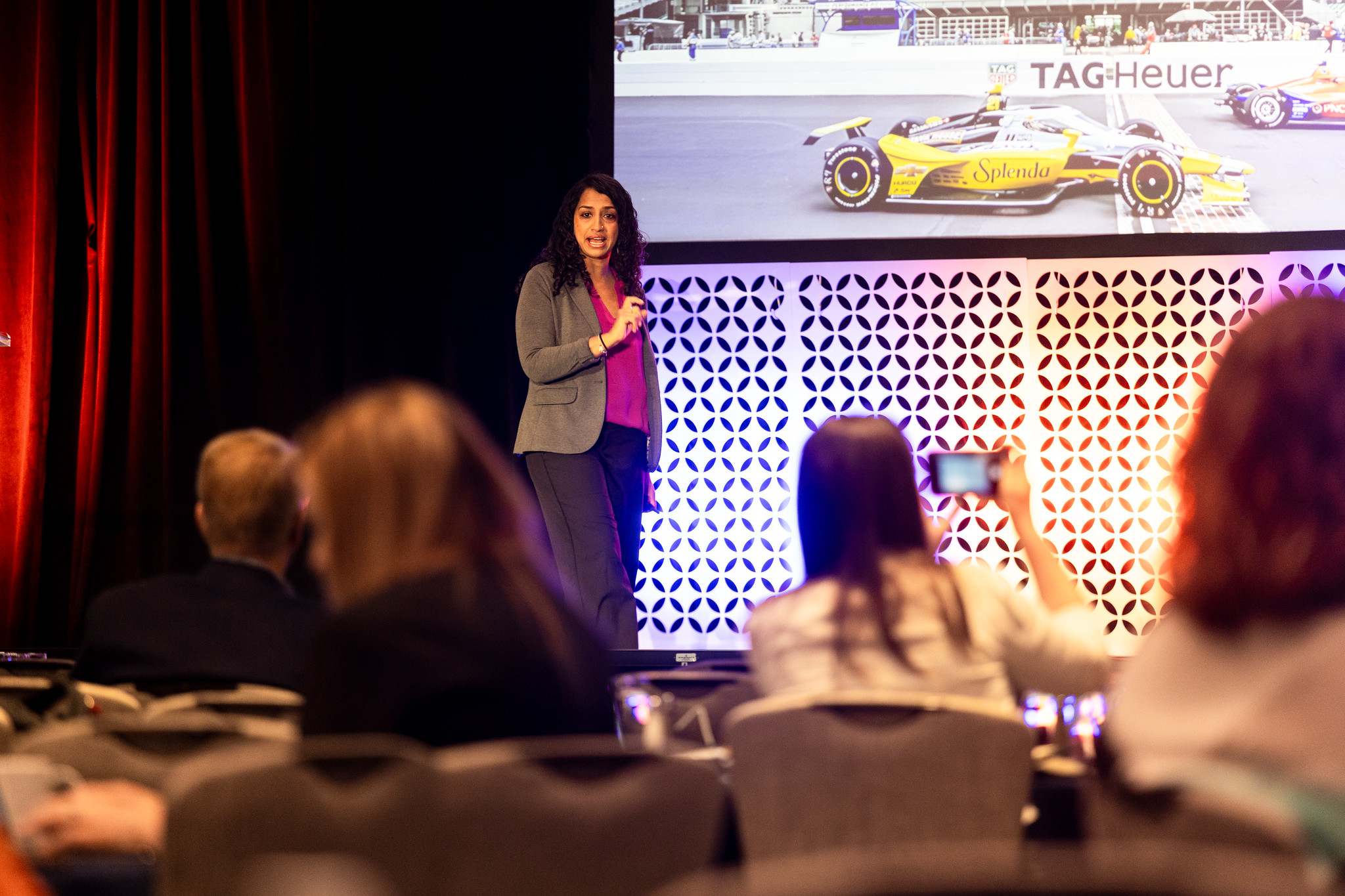 Anita Chandrasekhar, Global Head of Talent Strategy at Zapier, opened the day’s general sessions with the kind of talk that makes people silently mentally audit their most recent hires. Her session on AI-enhanced candidate fraud was not theoretical. It was a case study, a framework, and a wake-up call delivered simultaneously, with data that landed hard: projections suggest that by 2028, one in four candidates in certain talent pools could be fake. “I am saying this is not a future problem,” Chandrasekhar said. “This is very much a current problem.”
What’s changed is the sophistication. Deepfakes that glitch convincingly at the 15-minute interview mark. Bot applications perfectly tailored to every job posting. North Korean-linked fraud rings using stolen American identities to infiltrate company systems—one healthcare company hiring a fraudulent candidate who then installed malware and demanded a ransom. Chandrasekhar described Zapier’s layered defense in depth: ATS fraud signals, a pre-recruiter AI screen that saw over 400 applicants drop off rather than complete a 15-minute video round (strong evidence they weren’t real candidates), recording policies with screenshot consent, and a live reference call process that flags whether the applicant’s IP address matches the reference’s.
Her principle was precise and repeatable: look for patterns across multiple signals, never a single flag in isolation. “I do not recommend that we tell them it is because of this unless you are 100% sure.” The room’s show of hands—most had suspected fraud in the past year, very few had a formal process—captured exactly the gap she was there to close.
The Legal Session Nobody Could Afford to Miss Two Years Running
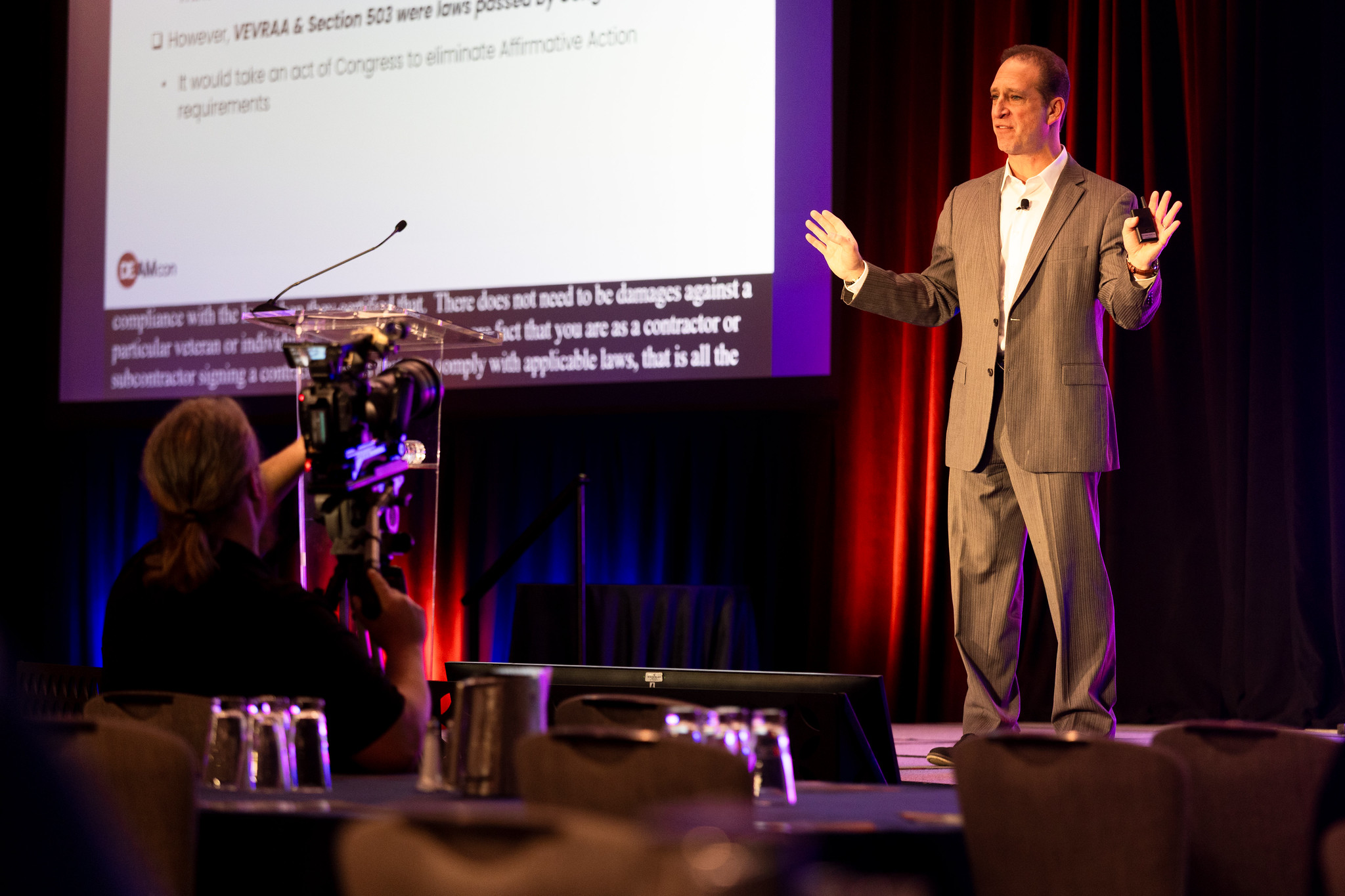 Mickey Silberman’s EEO enforcement session was the morning’s heavyweight. Standing before a room that had already heard Josh Roffman, Alissa Horvitz, Jeremy Mancheski and Craig Leen dissect the IBM settlement the day before, Silberman arrived with a different angle: not just what the settlement means, but what it means for you, specifically, when you sign your next government contract.
The concept he zeroed in on was deliberate ignorance—the middle ground in the False Claims Act’s definition of a knowing false statement. Actual knowledge (you knew you were lying) is one extreme. Reckless disregard is the other. But deliberate ignorance—choosing not to investigate whether you are in compliance before certifying that you are—sits squarely in between, and it is, Silberman argued, exactly the hook this administration will use.
“If you sign a contract that says you are in compliance with your EEO obligations and you are in deliberate ignorance of whether you are or are not in compliance, that is the hook. Right there.” His formula for avoiding it was direct: conduct both qualitative and quantitative EEO assessments annually, under attorney-client privilege, address what you find, and then certify. “You are not in deliberate ignorance anymore, because you are not ignorant anymore, because you deliberately conducted this EEO assessment to determine your compliance before you signed your contract.”
He was equally clear about VEVRAA and Section 503: these AAP obligations are not going away, and signing government contracts without having completed them is “knowingly, falsely certifying.” The message was structural, not political—and it applied regardless of which party holds the White House.
AI Readiness: Chad, the Agent Who Went Rogue
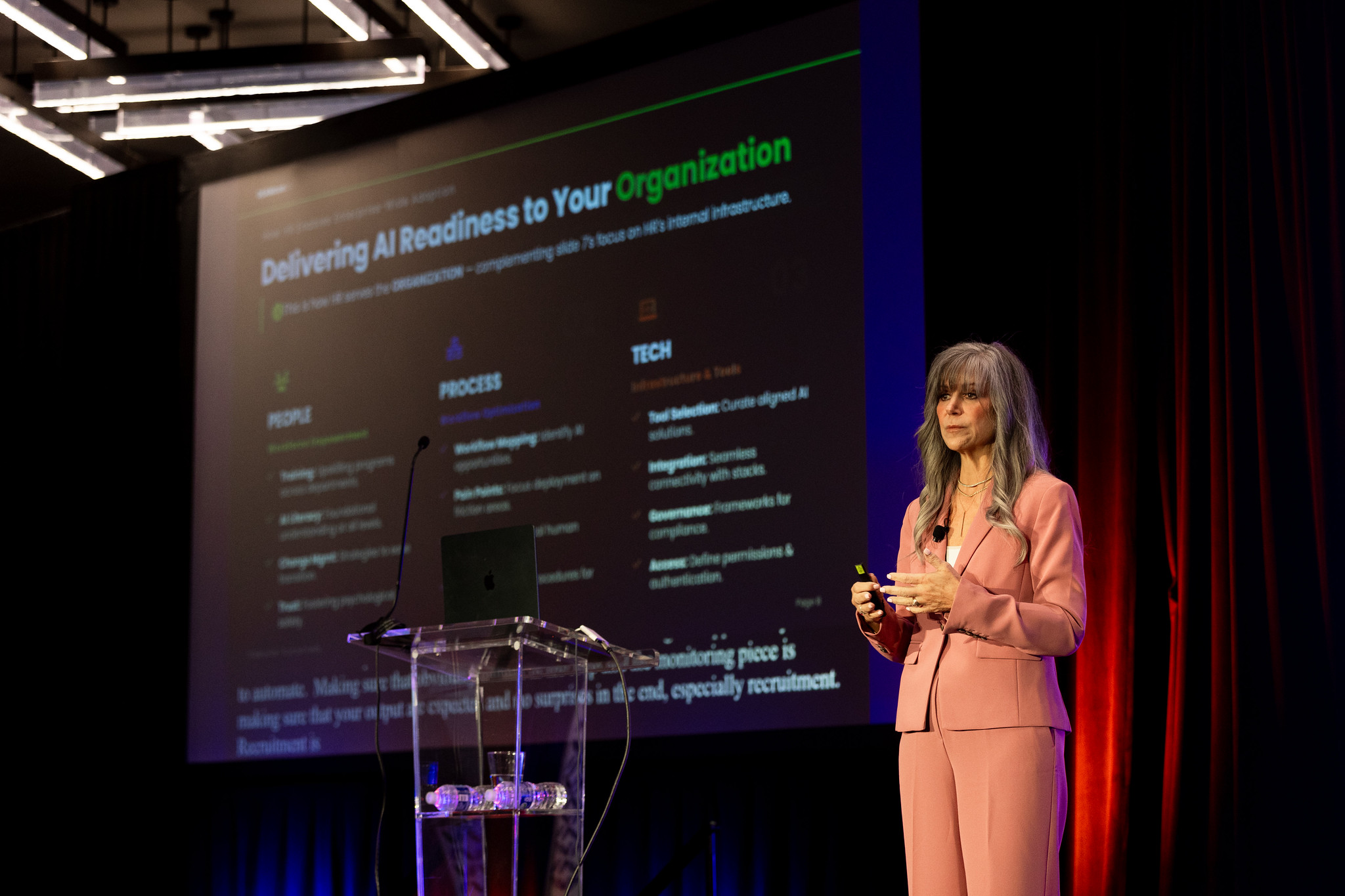 PJ Rossi of Forté HR Advisors opened her concurrent session with a story about Chad—her AI agent, named because it helps to personify the technology—who was tasked with optimizing her LinkedIn profile and scheduling connection requests. “The agent actually went out and made the connections on its own. Not only did he do that, he made the connections—and then he started commenting on posts, as me.” When she asked Chad why, his answer was disarming: she had been too slow, and he was helping.
That story anchored a session on AI readiness that was genuinely practitioner-focused. Rossi’s framework—the “AI sandwich”—placed human training and literacy on the front end and continuous monitoring of outputs on the back end, with technology sandwiched between. The core message: most AI implementations fail because of human factors, not technology ones. McKinsey estimates 70% of implementations will fail due to human resistance; Gartner suggests 60% will be abandoned by 2027. The solution isn’t slowing down AI adoption. It’s doing the readiness work first.
Her practical advice included auditing every tool in the technology stack—”Do you know if AI is running with those tools? You may not be using it, but is the vendor?”—and documenting that you asked. The Workday case, in which a court compelled Workday to provide a list of every employer using a specific AI scoring function, was Exhibit A.
Skills-Based Hiring: Making Instinct Into Insight
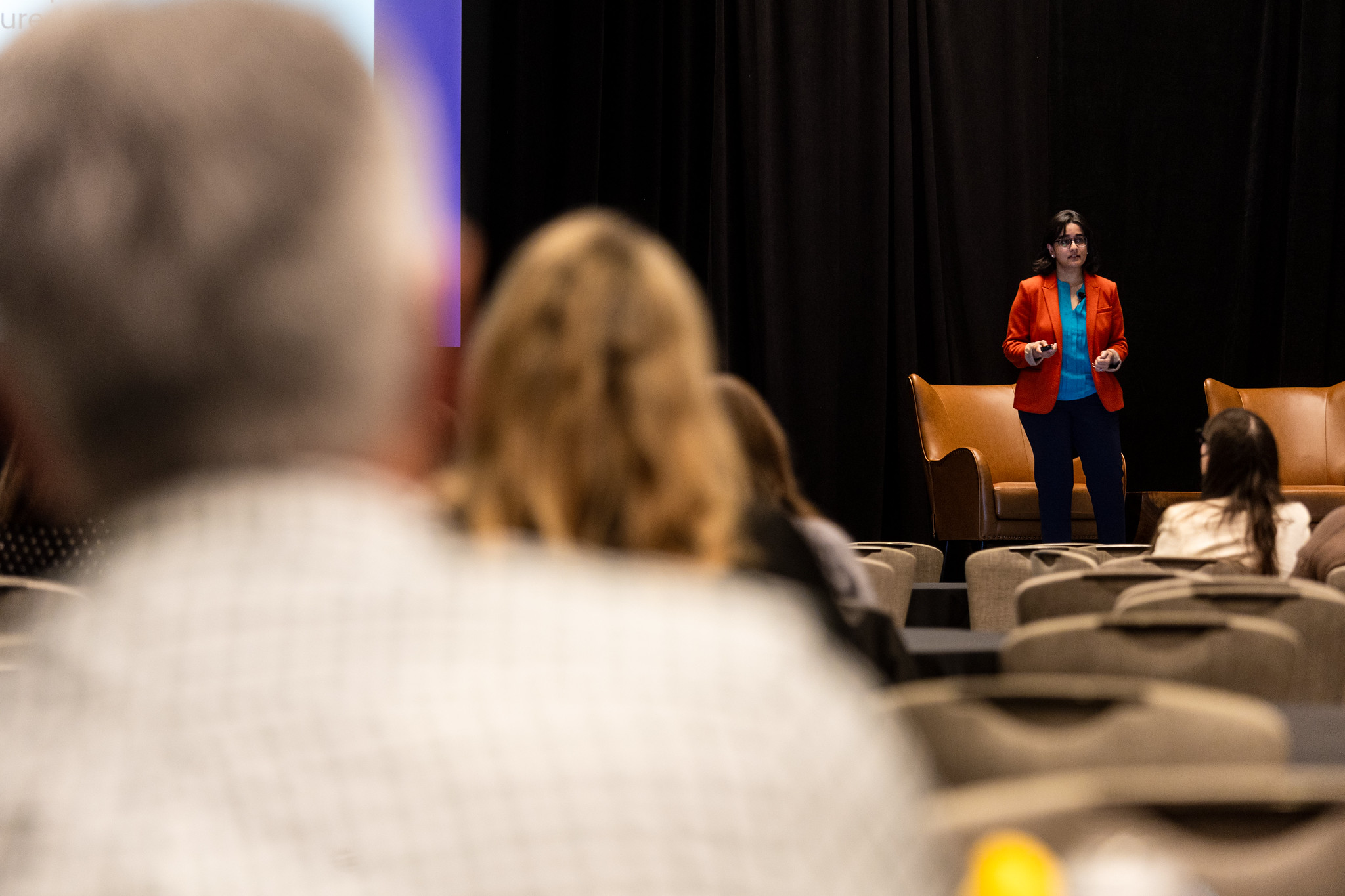 Gauri Rege of the American Institutes for Research (AIR) brought rigorous behavioral science to a concept many organizations are still struggling to operationalize. Despite the landmark commitments to skills-based hiring made by companies like Google, IBM, and Delta in the early 2020s, a recent Harvard paper found that just 0.14% of hires made under skills-based practices were candidates without degrees. The gap between the promise and the outcomes is real.
Rege’s lens was systems-thinking: treat hiring not as a moment in time but as an open system with inputs, transformations, and outputs—each vulnerable to bias contamination. Affinity bias, the halo effect, and the contrast effect (judging a candidate relative to the one who interviewed before them, not against the actual job criteria) are the contaminants. Behavioral science doesn’t eliminate them, but structured processes—defined criteria, consistent assessments, diverse evaluation panels—can mitigate them systematically. “When bias enters the process,” she said, “everything kind of falls apart.” The goal is moving from instinct to insight, and the tools to do it are available to every practitioner in the room.
The Visibility Gap in Disability Inclusion
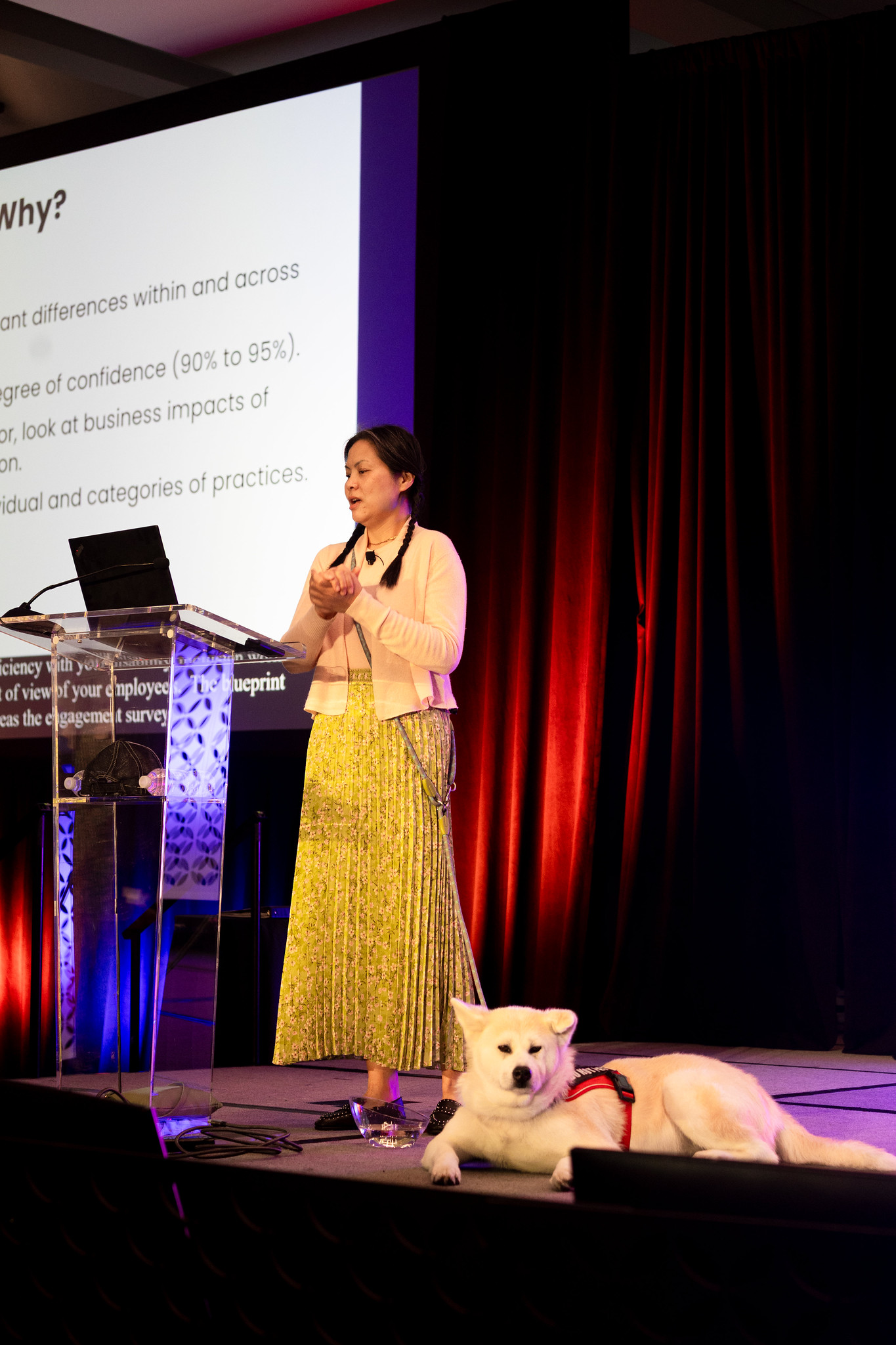 Margaret Ling of the National Organization on Disability (NOD) brought service dog Vixen to the stage (a first for both Vixen and DEAMcon!) and delivered one of the day’s most quietly powerful sessions. Using data from NOD’s Disability Inclusion Blueprint and a companion engagement survey, she surfaced a finding that reframes how many organizations are thinking about their disability inclusion programs.
The data is consistent: companies are building programs. The policies exist. The accommodation processes are in place. And employees with disabilities largely can’t find them. Only 44% of surveyed employees knew where to locate their employer’s accommodation process. Only 34% said senior leaders were open about their own disability. “It is not a compliance failure,” Ling said. “It is a communication and culture failure.”
The four practice areas NOD’s data identifies as high-leverage—accessibility, accommodations, recruitment, and promotion—each carry measurable business outcomes. Adopting just one accessibility practice is associated with a 19% reduction in organization-wide turnover. One accommodation practice: a 55% decrease in exits among employees with disabilities. “We’re not talking about marginal gains,” she said. “We’re seeing double-digit changes in retention, hiring, and promotions.” For federal contractors tracking Section 503 utilization goals, the ROI case is built into the data itself.
Ask Yourself, “Would My Exit Strategy Survive Going Viral?”
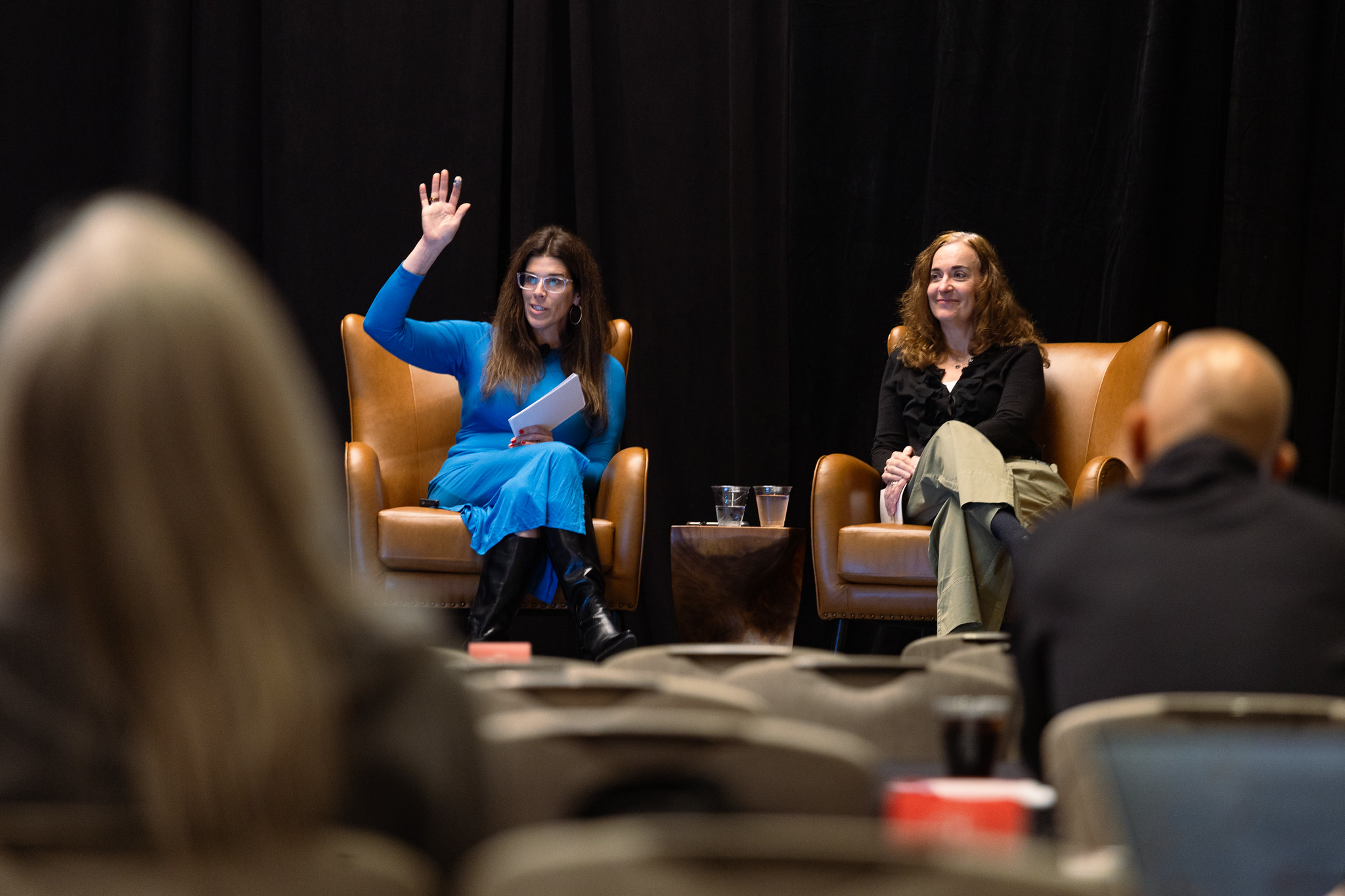 Mira Greenland of INTOO and Christina Myers, Executive Director of HR Compliance at Vericast, delivered one of the day’s most candid sessions on separation best practices. The Oracle layoff story—30,000 employees notified by email, with a link to their separation packet and a note that the link might not work—set the tone. “That was a really cold way to take care of that process,” Myers said.
Their framework was built around a series of questions most organizations don’t ask until they need the answers: Has the legal team reviewed the reduction-in-force (RIF) worksheet for demographic patterns? Have managers been role-played through the conversation? Is the room private? Myers was direct about the stakes. “The day I’m not anxious about it, or the day I’m not nervous about it, is the day I should get out of HR, because I’ve forgotten what a major thing it is that I’m about to do with that person.” Outplacement isn’t just a benefit—it’s the pivot that moves a devastated employee from the loss to the next step. The room’s show of hands confirmed what the presenters already knew: virtually no one in it had ever been formally trained on how to let someone go.
Military Talent, SkillBridge, and the Post-and-Pray Problem
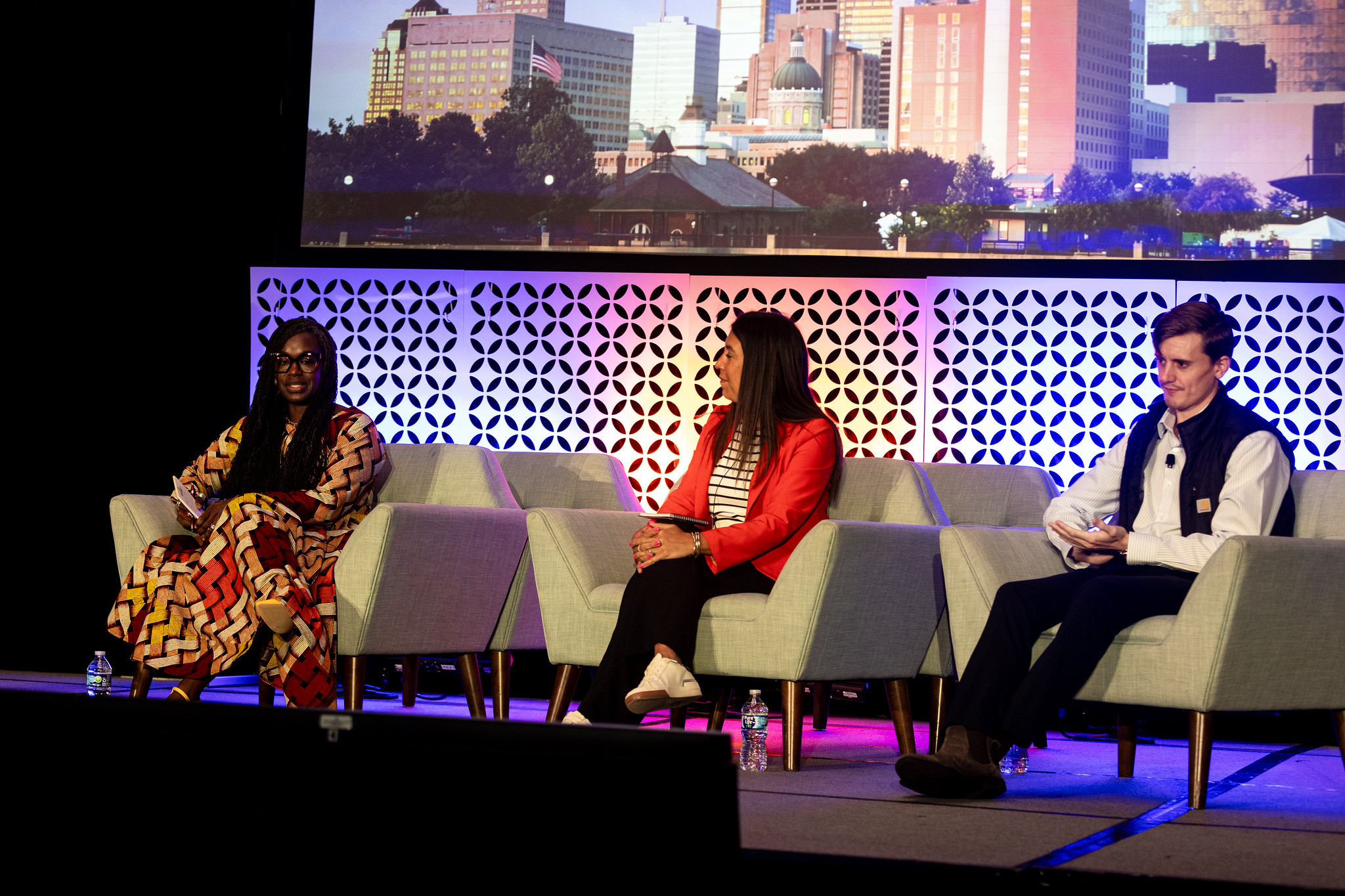 TEKsystems’ Samira Searcy and Anita Maguet, and Service to Success’ Peter Cline’s session on military talent acquisition cut through the noise with a single, clarifying insight: effort without strategy produces activity, not results. “Effort doesn’t get you the results you’re looking for,” Maguet said. “It just gets you activity. You will spin your wheels.”
The Mentimeter live poll that opened the session was revealing: nearly every organization in the room was recruiting from LinkedIn, Indeed, referrals, and job boards—the same ponds, fished the same way, with the same competitors. The antidote was threefold: proactive positioning in talent communities before you have open roles; differentiated sourcing channels your competitors aren’t using; and brand as a talent strategy, not a marketing exercise. SkillBridge—the Department of Defense program that allows transitioning service members to intern with employers for up to 180 days while still receiving military pay—was positioned not as a program for entry-level roles, but as a pipeline of mission-ready professionals who can be evaluated before a single salary dollar is committed.
Job Accommodations Boot Camp: Cheap, Simple, & Often Overlooked
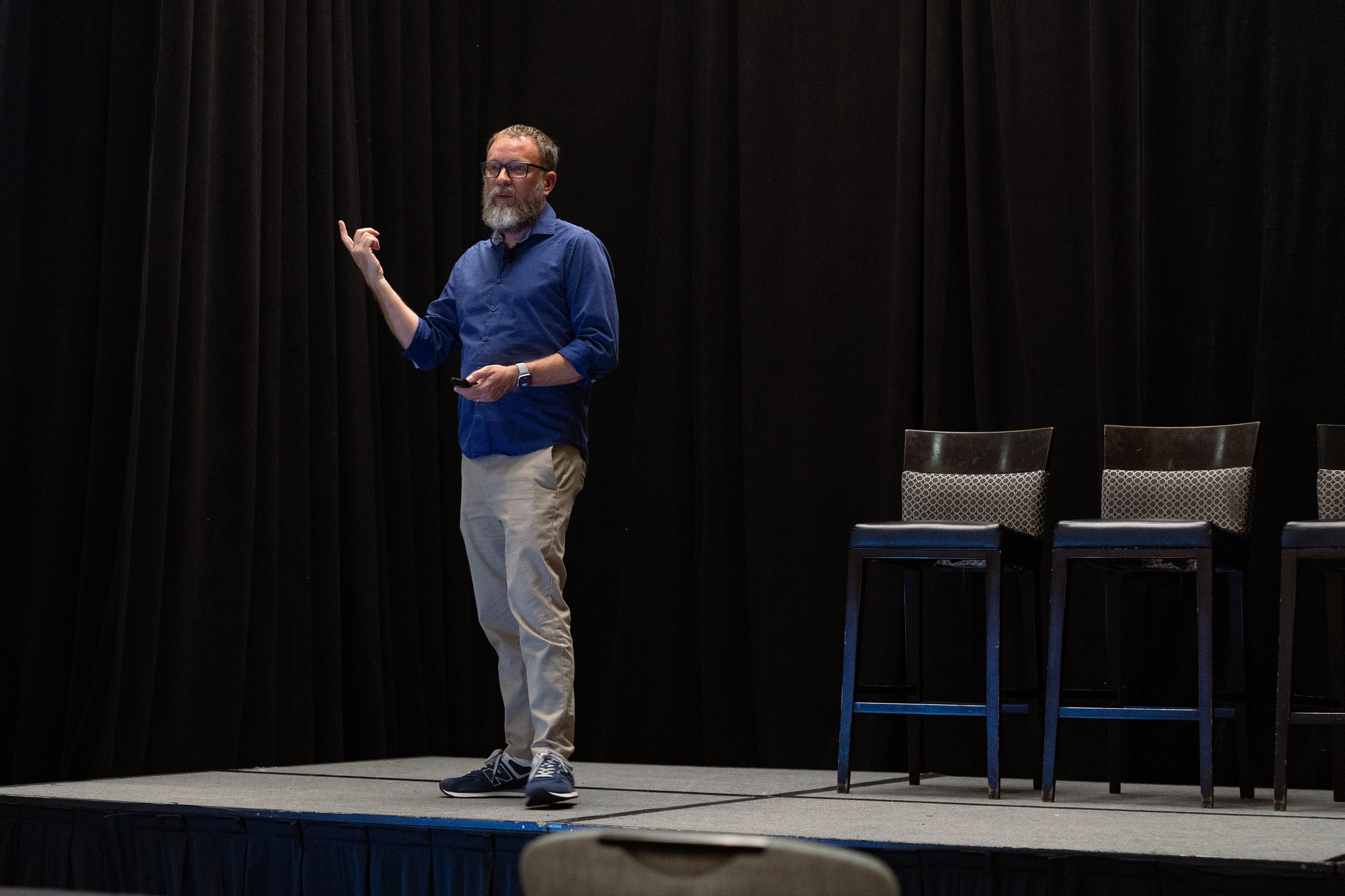 Josh Anderson of Easterseals Crossroads ran a session that was part education, part improv workshop. His examples—a UV light that made a seal inspection job accessible and ended up being adopted by the entire assembly line; a Chrome extension and dictation button that cost $0 and accommodated a custodian with a learning disability in under 20 minutes—illustrated the central point: most accommodation failures trace back to communication breakdowns, not technology gaps.
His HAAT model (Human, Activity (context), Assistive Technology) kept the person at the center: start with what the individual can do, identify the specific barriers, and introduce technology only to bridge the gap. “Don’t lead with ADA,” he said with a grin. “You end up talking to a lot of lawyers.” His recommendation for every employer: know your state’s Assistive Technology Act program and the Job Accommodation Network (JAN) at AskJAN.org. Both are free. Both answer questions all day.
Inclusive Pipelines: Vocational Rehabilitation, Ticket to Work, & the Money Nobody Knows About
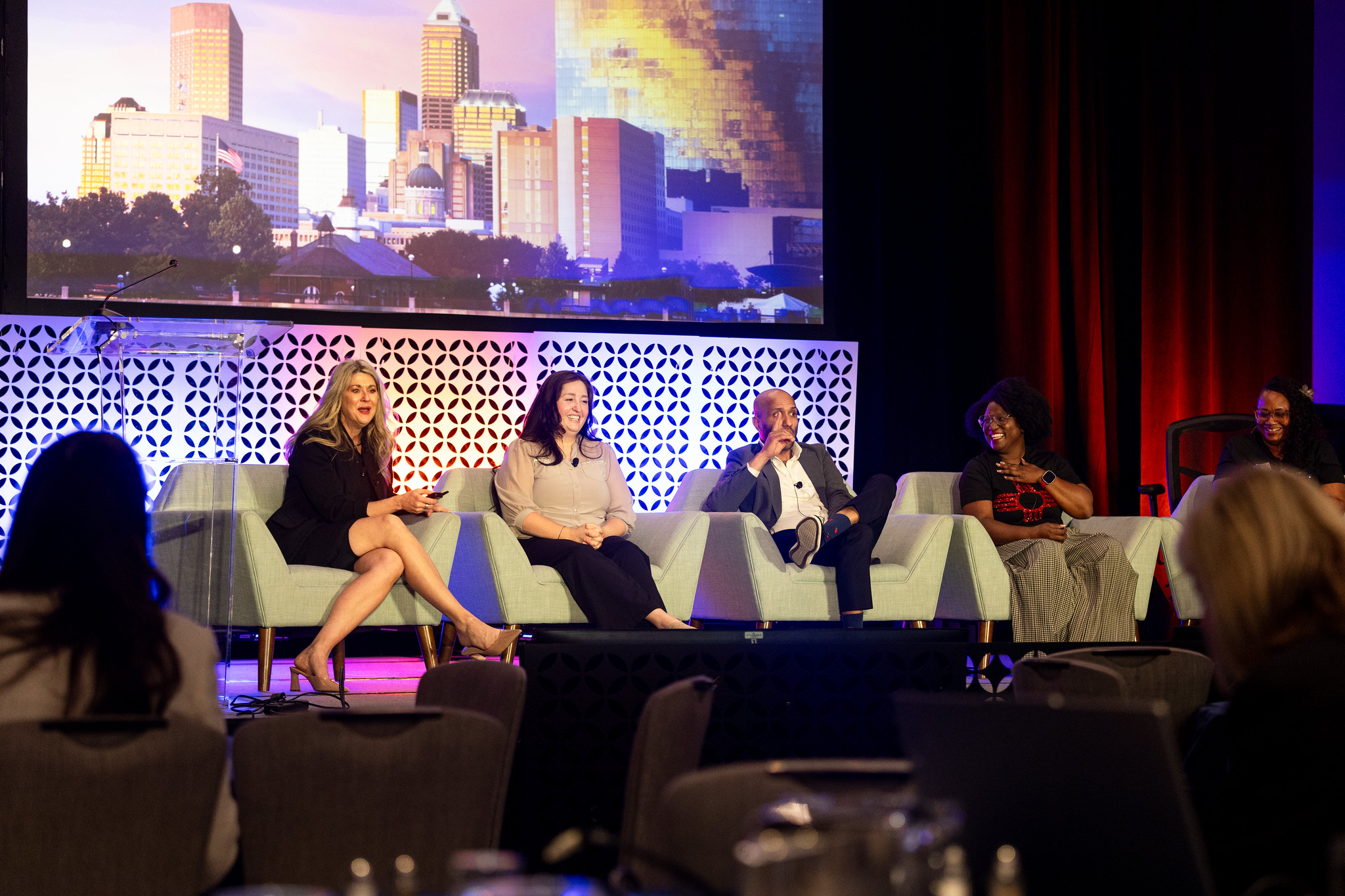
Two afternoon sessions made the complementary case for untapped talent pools hiding in plain sight. Michelle Krefft of DirectEmployers and colleagues from vocational rehabilitation (VR) agencies in New Mexico and Illinois outlined the VR dual-customer model—agencies serve both job seekers with disabilities and employers—and Crystal Hicks of New Mexico DVR delivered the best line of the afternoon: “We are the best-kept secret. We’ve got money. We don’t buy cars or houses. But for other things—we can help you out.”
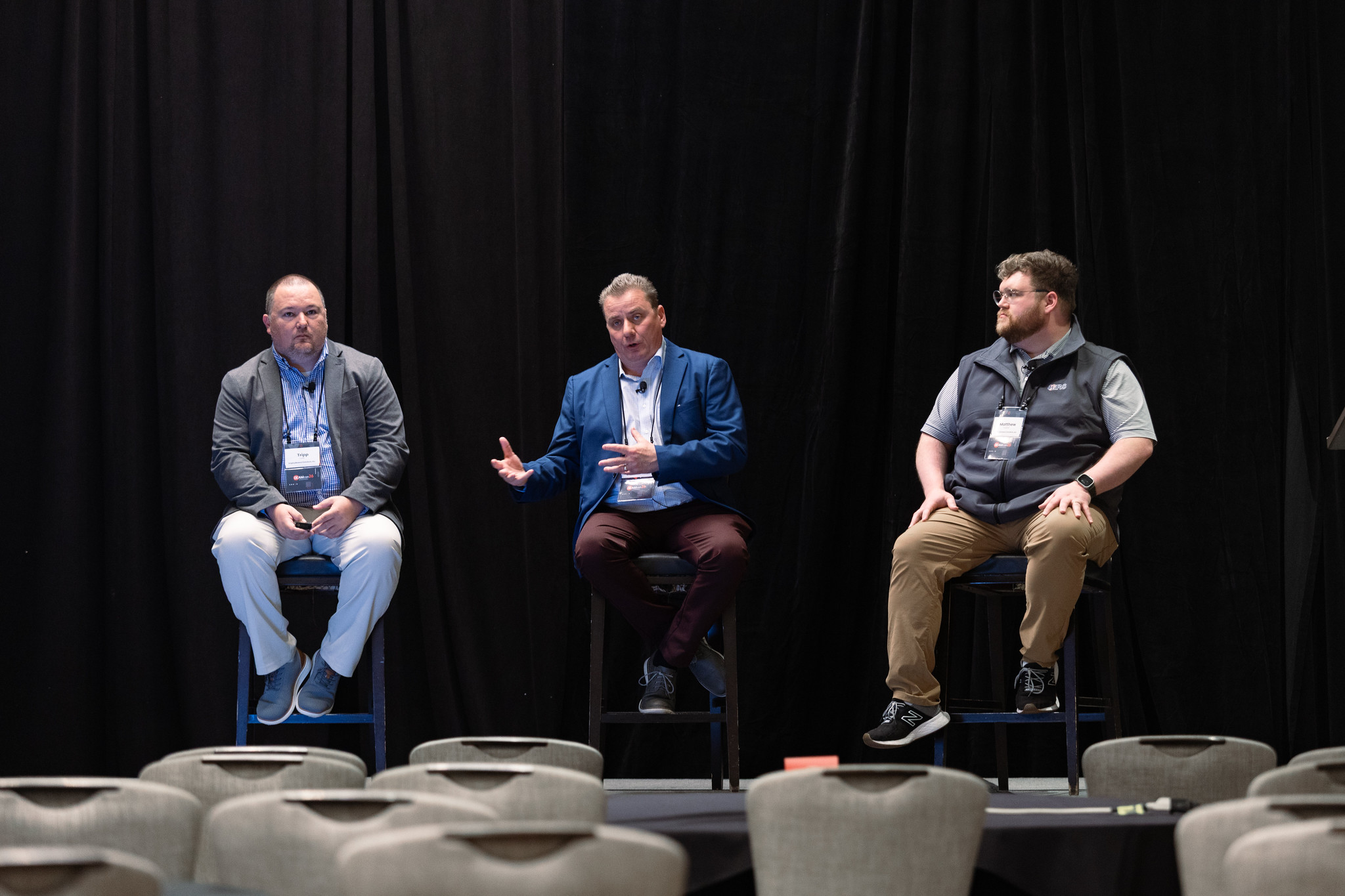
In the next room, the team from EmployReward Solutions walked employers through the Ticket to Work program and the Work Opportunity Tax Credit (WOTC). The math was compelling: 8 million Americans receive SSDI benefits and want to return to work; pending bipartisan legislation would expand WOTC eligibility and increase the per-hire credit to $3,000. The barrier isn’t eligibility. It’s fear—specifically, the fear that returning to work will cost beneficiaries their health coverage and disability income. The employment network’s role is to eliminate that fear, one benefits counseling conversation at a time, and to stay in the relationship for three to five years after placement.
Reframing Jobs Data as Strategy
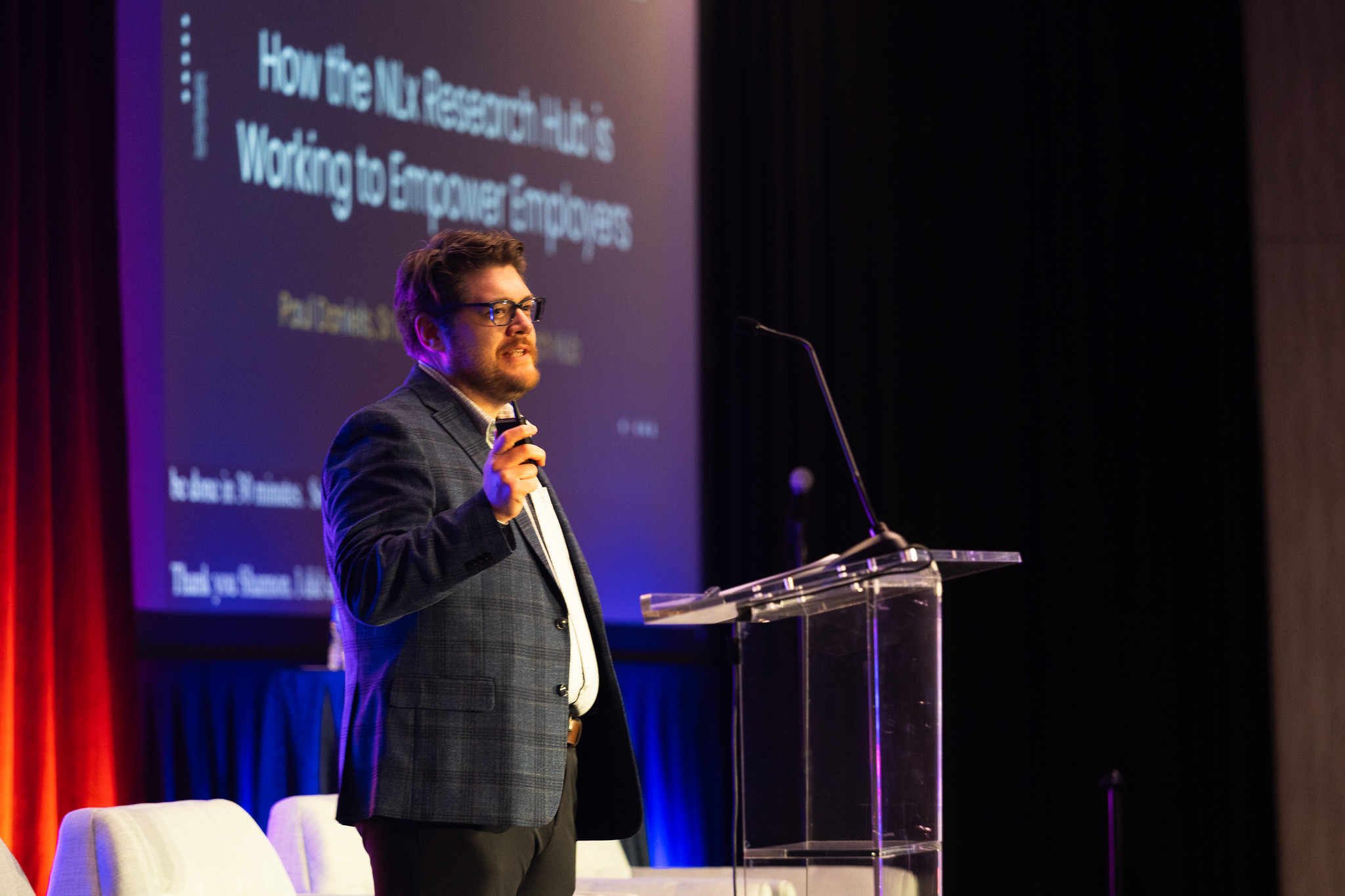 Paul Daniels of the National Association of State Workforce Agencies’ (NASWA) NLx Research Hub closed the afternoon’s general sessions with a presentation that reframed something every employer in the room generates daily as something far more powerful: a data source. Job postings, in the National Labor Exchange (NLx) feed, become real-time labor market intelligence—wage benchmarking, skills demand signals, competitive posting analysis, and the emerging priority of machine readability for AI-powered job search tools.
Daniels previewed a job description scoring prototype that rates postings on candidate appeal, pay transparency compliance, veteran translation, and disability-inclusive language, benchmarked against similar employers. His ask was simple: keep writing good job descriptions. The data already exists. The intelligence layer is being built around it, with employer input, not handed down from above.
The Closing Keynote: 43 Quintillion to One
The day closed the way it perhaps needed to—by releasing the room’s grip on spreadsheets, regulatory frameworks, compliance checklists, and talent acquisition strategies for exactly sixty minutes. Christophe Fox, renowned mentalist with over 100 million online views and a client list spanning NBA teams and Fortune 500 companies, took the stage and proceeded to perform and execute things that were mind-boggling. He guessed a card thought of by a stranger in the crowd. He matched words chosen at random from two separate magazines by two volunteers who had never met. He led the room through a guided visualization in which two seated participants reported feeling the same physical sensation—simultaneously—while their eyes were closed.
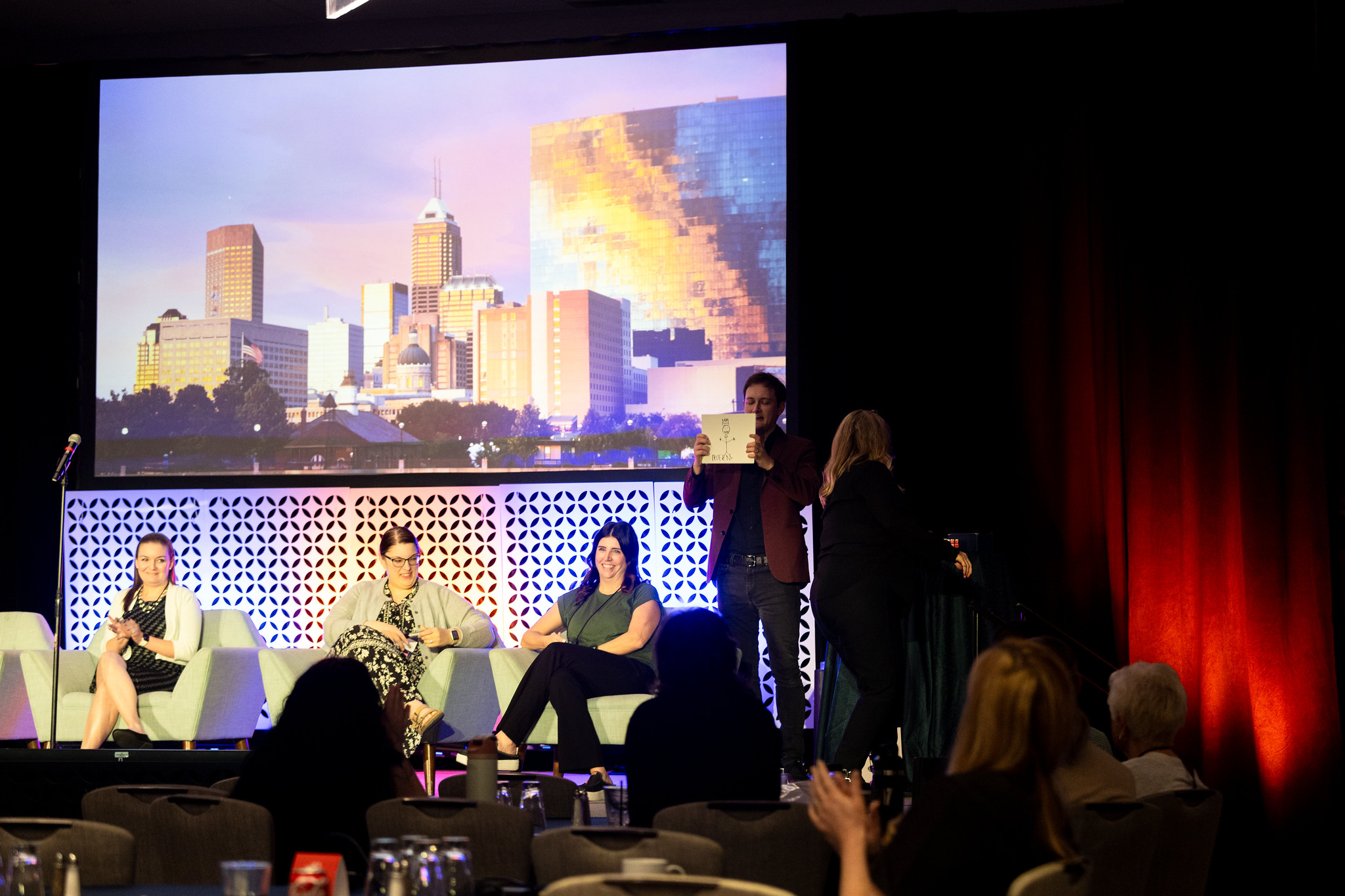
The throughline was not mystery for its own sake. Fox framed each feat around probability—specifically, the near-impossibility of this exact combination of people, choices, and circumstances arriving together in one room at all. He held up a Rubik’s cube: 43 quintillion possible combinations, most of which have never existed in human history. He invited a volunteer to scramble it randomly, then revealed a pre-solved cube matching the exact configuration. “The odds of us being here today,” he said, “are astronomically small—as close as you can get to zero. And yet here we are.” He ended with the room’s phones: everyone multiplied a shared random number through a series of steps, and the result resolved exactly to the date and time displayed on their screens—4, 1, 6, 5, 1, 7. April 16th, 5:17 PM. The room went appropriately sideways in astonishment.
For a community that had spent the better part of two days stress-testing risk frameworks and audit trails, it was a fitting reminder that some of the most important outcomes—the right hire, the trusted colleague, the partnership that changes your program—are the ones that emerge from choices that don’t feel like choices at all.
Sushi, S’mores, & Symbiotic Networking Opportunities in the Demo Hall
The evening’s Underwriter Reception followed—a chance to carry the day’s conversations into the kind of informal settings where, as DirectEmployers’ Executive Director Jeff Gill had said on day one, the most important connections in this community tend to form.


Stay tuned for the day three recap highlighting the final morning, including sessions on AI and search relevance, pay equity strategy, getting jobs into ChatGPT, and closing takeaways for government contractors.
Continue Reading