
DirectEmployers Blog

DE Talk Unplugged | Section 503 Changes: What Employers and the Disability Community Need to Know
Major regulatory shifts can create uncertainty, but they also offer a rare opportunity to re-evaluate what truly drives workplace culture. On the latest episode of the DE Talk Podcast, guest host and Chief Advisor at Forte Advisory Group PJ Rossi sits down with...

How Indianapolis Helped Shape the History of Online Recruiting
This October, DirectEmployers celebrates 25 years as an Association. It's a milestone worth pausing on, and there's nowhere more fitting to reflect on it than right here in Indianapolis. As former Managing Director, Tom Eckhart put it, “Internet recruiting didn't...
HR Compliance Foundations Recap: Five Sessions, Zero Slide Decks, and a Federal Contractor Compliance Playbook Built to Support the Shifting Regulator Landscape
Key Takeaways The foundation hasn't changed. DirectEmployers' virtual event HR Compliance Foundations: A Federal Contractor's Guide to Getting It Right had one clear message for federal contractor compliance: the rules keep changing, but the foundation hasn't....
OFCCP Compliance Doesn’t Scale Down for Small Contractors—So Neither Should Your Compliance Solution
Key Takeaways Federal contractor and subcontractor compliance obligations don't vary by company size. Any covered contractor or subcontractor—regardless of headcount—is subject to the same VEVRAA and Section 503 requirements as large enterprises. VEVRAA requires...
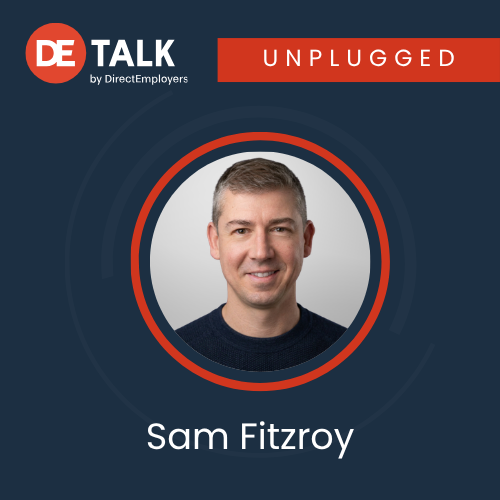
DE Talk Unplugged | Fixing the Application Black Hole with Dalia’s Sam Fitzroy
The recruitment landscape is evolving at a breakneck pace. Between the sudden explosion of generative AI, an influx of automated “apply-for-me” bots, and shifting candidate expectations, talent acquisition leaders are caught navigating unprecedented challenges. In the...
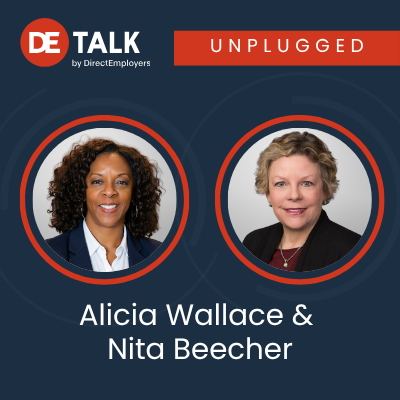
DE Talk Unplugged | EEO Data in Flux: Navigating the EEOC’s Proposal to Rescind EEO-1 Reporting
In the season eight opener of the DE Talk Podcast, host Alicia Wallace sits down with Nita Beecher, Of Counsel at FortneyScott, for a timely and candid conversation on the future of demographic data collection and the EEOC’s proposed rescission of the longstanding...
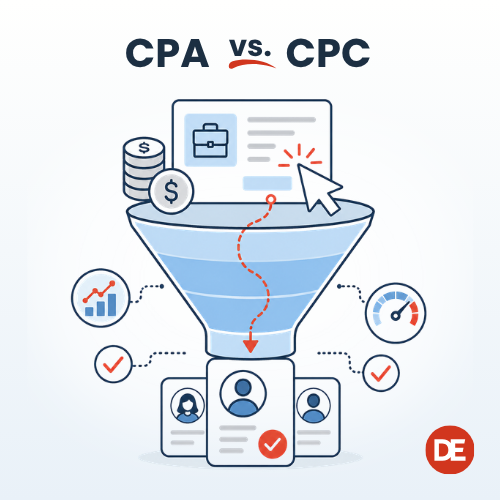
Cost Per Applicant vs. Cost Per Click: Which Metric Should You Optimize For?
Key Takeaways Cost per click (CPC) tells you what you paid for traffic. Cost per applicant (CPA) tells you what you paid for a candidate, and only one of those numbers moves you toward a hire. The programmatic job advertising platform market is projected to grow from...

EEOC’s August 11, 2026 Public Hearing Provides a Preview of the Comments That Will Be Submitted In Response to the Proposed Elimination of Race and Sex Data Reporting Obligations
Key Takeaways The EEOC has proposed ending race and sex data collection through the EEO-1, EEO-3, EEO-4, and EEO-5 reports. The EEOC shortened the comment period to 30 days. The authors believe the timing could allow the agency to act before the next EEO-1 collection....
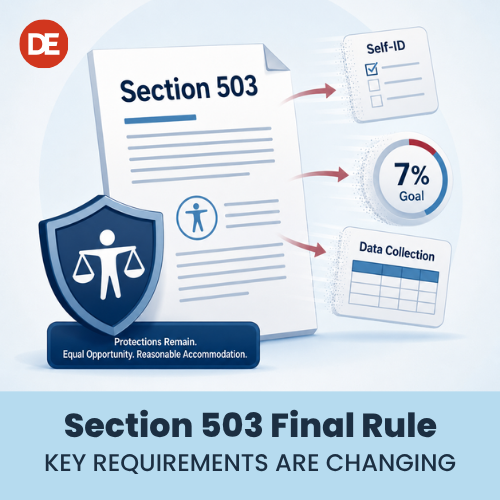
OFCCP to Publish Final Section 503 Rule Aug. 21, Ending Disability Self-ID and Utilization Goal Requirements
Key Takeaways OFCCP's Final Rule on Section 503 is scheduled for publication in the Federal Register on August 21, 2026. The rule ends the requirement that federal contractors invite applicants and employees to self-identify as individuals with disabilities. It also...
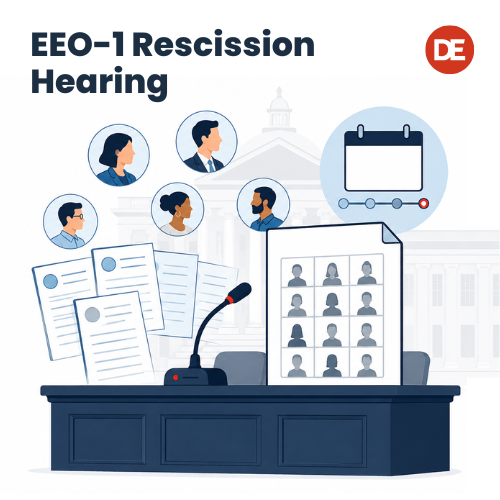
EEOC Holds Its EEO-1 Rescission Hearing: What Federal Contractors Heard on August 11
Key Takeaways On August 11, 2026, the EEOC held a public hearing on its proposal to rescind EEO-1 through EEO-6 reporting and related recordkeeping under 29 CFR Part 1602. Twenty-two witnesses testified over roughly two and a half hours; no vote or decision was made...