
DirectEmployers Blog
OFCCP Compliance

Protected Veteran Hiring Lags at S&P 500 Federal Contractors: What the RAND Report Means for Your Protected Veteran Hiring Program
Key Takeaways Protected veteran hiring is below the benchmark. RAND found that protected veterans were 2.4 percent of new hires at S&P 500 federal contractor establishments in the 2025 VETS-4212 filing cycle. The national VEVRAA hiring benchmark was 5.1 percent....
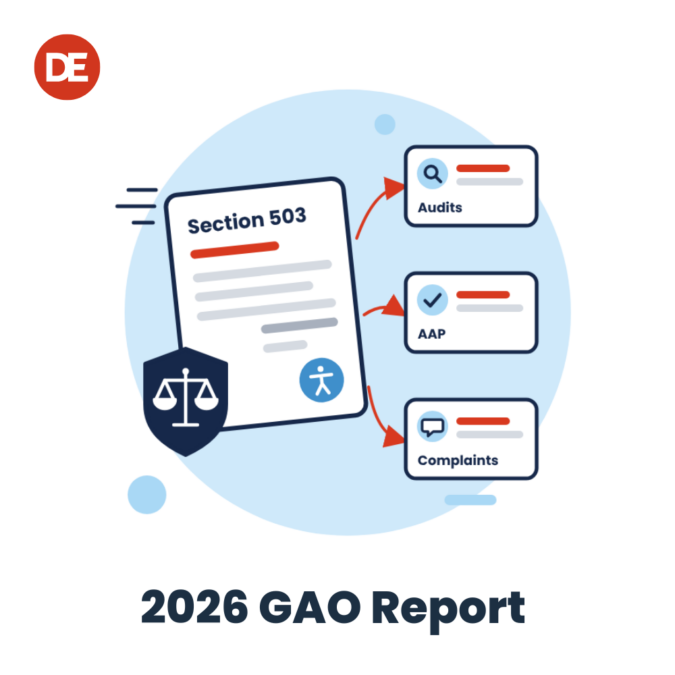
GAO Urges DOL to Resume Section 503 Audits: What the Report Found, How DOL Responded, & What Federal Contractors Should Know
Key Takeaways GAO report GAO-26-107937, dated September 29, 2026, found that DOL has reduced its Section 503 oversight of federal contractors since January 2025. From fiscal years 2017 through 2025, 532 OFCCP audits found Section 503 violations. OFCCP's workforce fell...

DE Talk Unplugged | Section 503 Changes: What Employers and the Disability Community Need to Know
Major regulatory shifts can create uncertainty, but they also offer a rare opportunity to re-evaluate what truly drives workplace culture. On the latest episode of the DE Talk Podcast, guest host and Chief Advisor at Forte Advisory Group PJ Rossi sits down with...

HR Compliance Foundations Recap: Five Sessions, Zero Slide Decks, and a Federal Contractor Compliance Playbook Built to Support the Shifting Regulator Landscape
Key Takeaways The foundation hasn't changed. DirectEmployers' virtual event HR Compliance Foundations: A Federal Contractor's Guide to Getting It Right had one clear message for federal contractor compliance: the rules keep changing, but the foundation hasn't....

OFCCP Compliance Doesn’t Scale Down for Small Contractors—So Neither Should Your Compliance Solution
Key Takeaways Federal contractor and subcontractor compliance obligations don't vary by company size. Any covered contractor or subcontractor—regardless of headcount—is subject to the same VEVRAA and Section 503 requirements as large enterprises. VEVRAA requires...
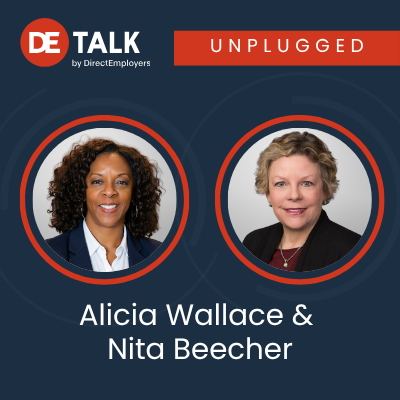
DE Talk Unplugged | EEO Data in Flux: Navigating the EEOC’s Proposal to Rescind EEO-1 Reporting
In the season eight opener of the DE Talk Podcast, host Alicia Wallace sits down with Nita Beecher, Of Counsel at FortneyScott, for a timely and candid conversation on the future of demographic data collection and the EEOC’s proposed rescission of the longstanding...

EEOC’s August 11, 2026 Public Hearing Provides a Preview of the Comments That Will Be Submitted In Response to the Proposed Elimination of Race and Sex Data Reporting Obligations
Key Takeaways The EEOC has proposed ending race and sex data collection through the EEO-1, EEO-3, EEO-4, and EEO-5 reports. The EEOC shortened the comment period to 30 days. The authors believe the timing could allow the agency to act before the next EEO-1 collection....
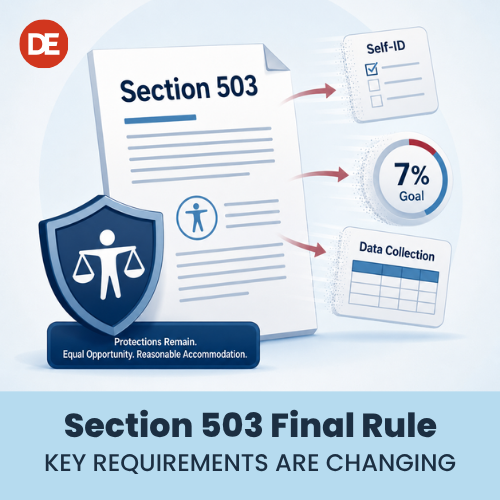
OFCCP to Publish Final Section 503 Rule Aug. 21, Ending Disability Self-ID and Utilization Goal Requirements
Key Takeaways OFCCP's Final Rule on Section 503 is scheduled for publication in the Federal Register on August 21, 2026. The rule ends the requirement that federal contractors invite applicants and employees to self-identify as individuals with disabilities. It also...
EEOC Holds Its EEO-1 Rescission Hearing: What Federal Contractors Heard on August 11
Key Takeaways On August 11, 2026, the EEOC held a public hearing on its proposal to rescind EEO-1 through EEO-6 reporting and related recordkeeping under 29 CFR Part 1602. Twenty-two witnesses testified over roughly two and a half hours; no vote or decision was made...

VEVRAA Compliance in 2026: Requirements, Hiring Benchmarks, and Veteran Inclusion Best Practices
Key Takeaways VEVRAA requires covered federal contractors to provide equal employment opportunity and take affirmative action for protected veterans. Protected veterans include disabled veterans, recently separated veterans, active-duty wartime or campaign badge...