
DirectEmployers Blog
Federal Contractors: VETS-4212 Report Portal Now Open Through September 30th
Key Takeaways The annual VETS-4212 reporting cycle runs from August 1 through September 30, requiring covered federal contractors and subcontractors holding a single contract valued at $200,000 or more (pursuant to recent FAR inflationary adjustments) to submit...
The Recruiter’s Glossary of Programmatic Advertising Terms
Key Takeaways Programmatic job advertising uses software and algorithms to buy, place, and optimize job ads automatically, replacing manual posting and flat-fee guesswork. Understanding a handful of core terms, like cost-per-apply, bidding, and budget pacing, is...
EEOC Puts EEO-1 Rescission in Writing: Formal Notice of Proposed Rulemaking Is Now Underway to Rescind Annual Race and Sex Reporting Requirements
Key Takeaways On July 21, 2026, the EEOC voted to issue a formal NPRM proposing to rescind EEO-1 through EEO-6 reporting and related recordkeeping requirements. This is a proposed rule, not a final rule; a 30-day public comment period and an August 11, 2026 public...
OMB Extends OFCCP’s Disability Self-ID Form Through 2029—Even as a Rule to Eliminate It Moves Forward
Key Takeaways OIRA approved OFCCP's Section 503 information collection without change on July 16, 2026, extending Form CC-305's approval through July 31, 2029. Form CC-305 is the Voluntary Self-Identification of Disability form federal contractors use under 41 CFR...
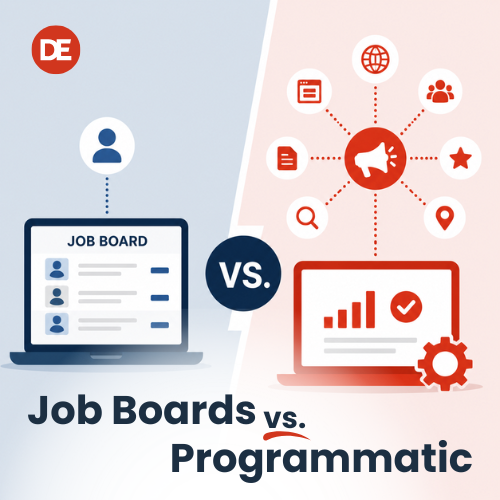
Job Boards vs. Programmatic Job Advertising: What’s the Difference?
Key Takeaways Job boards are destinations; programmatic is distribution. A job board is a single site where candidates search. Programmatic job advertising is technology that places your jobs across many sites at once and manages the spend for you. The pricing models...
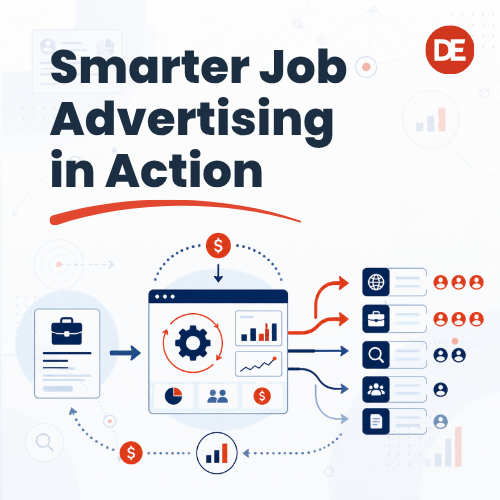
What Is Programmatic Job Advertising? A Guide for Recruiters Getting Started
If you’ve ever paid a job board a flat fee for a 30-day posting and gotten three applicants (two unqualified), you already understand the problem programmatic job advertising was built to solve.

EEOC Votes to Rescind Its 1979 Affirmative Action Guidelines: What Changed, Why It Happened & What Federal Contractors Should Know
Key Takeaways On June 29, 2026, the Equal Employment Opportunity Commission (EEOC) voted to rescind its 1979 interpretive guidelines on voluntary affirmative action under Title VII (29 C.F.R. Part 1608), along with the related Compliance Manual Section 607. The...
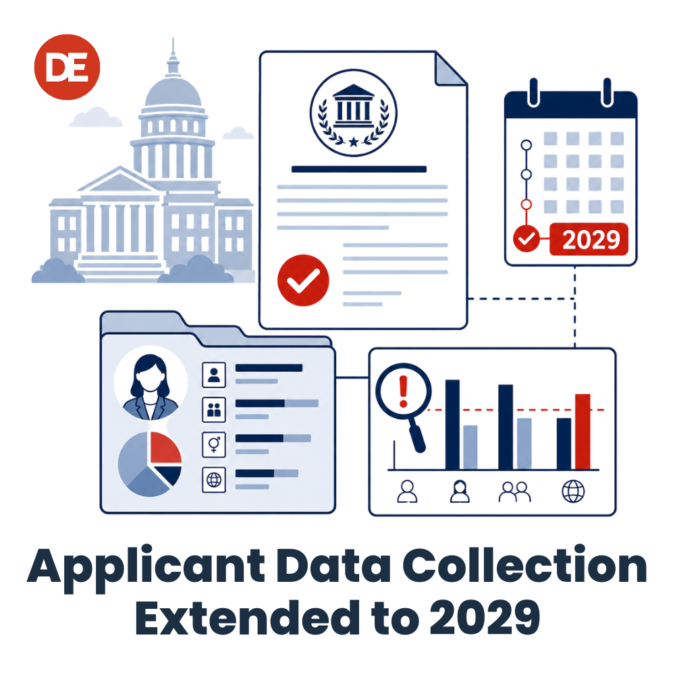
The Quiet Renewal Federal Contractors Shouldn’t Miss: OIRA Extends UGESP Self-ID Data Collection to 2029
Key Takeaways On June 24, 2026, OIRA approved a three-year extension of the EEOC's information collection authority under the Uniform Guidelines on Employee Selection Procedures (UGESP), keeping the requirement to collect and maintain applicant race, ethnicity, and...
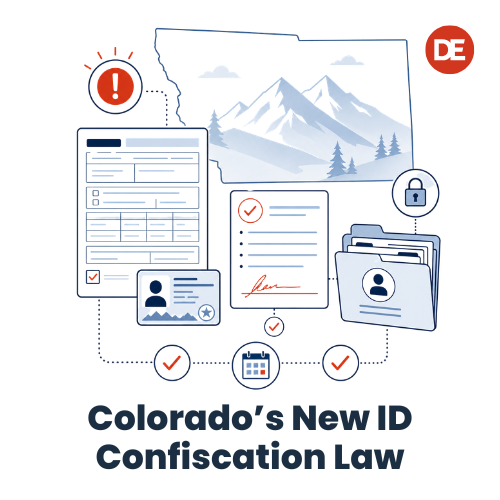
Colorado’s New Employer ID Confiscation Law Took Effect June 3, 2026: The New Rules Explained
Key Takeaways On June 4, 2026, Colorado Governor Jared Polis signed House Bill 26-1283, "Protections Regarding Seizures of Identification Documents," into law. Effective June 3, 2026, the law prohibits employers from confiscating workers' government-issued IDs and...
What HR Compliance Requirements Apply to Federal Contractors?
Key Takeaways Federal contractors with contracts of $200,000 or more are covered by VEVRAA, and $20,000 or more by Section 503—both of which remain fully enforceable despite the January 2025 rescission of Executive Order 11246. Contractors with 50 or more employees...